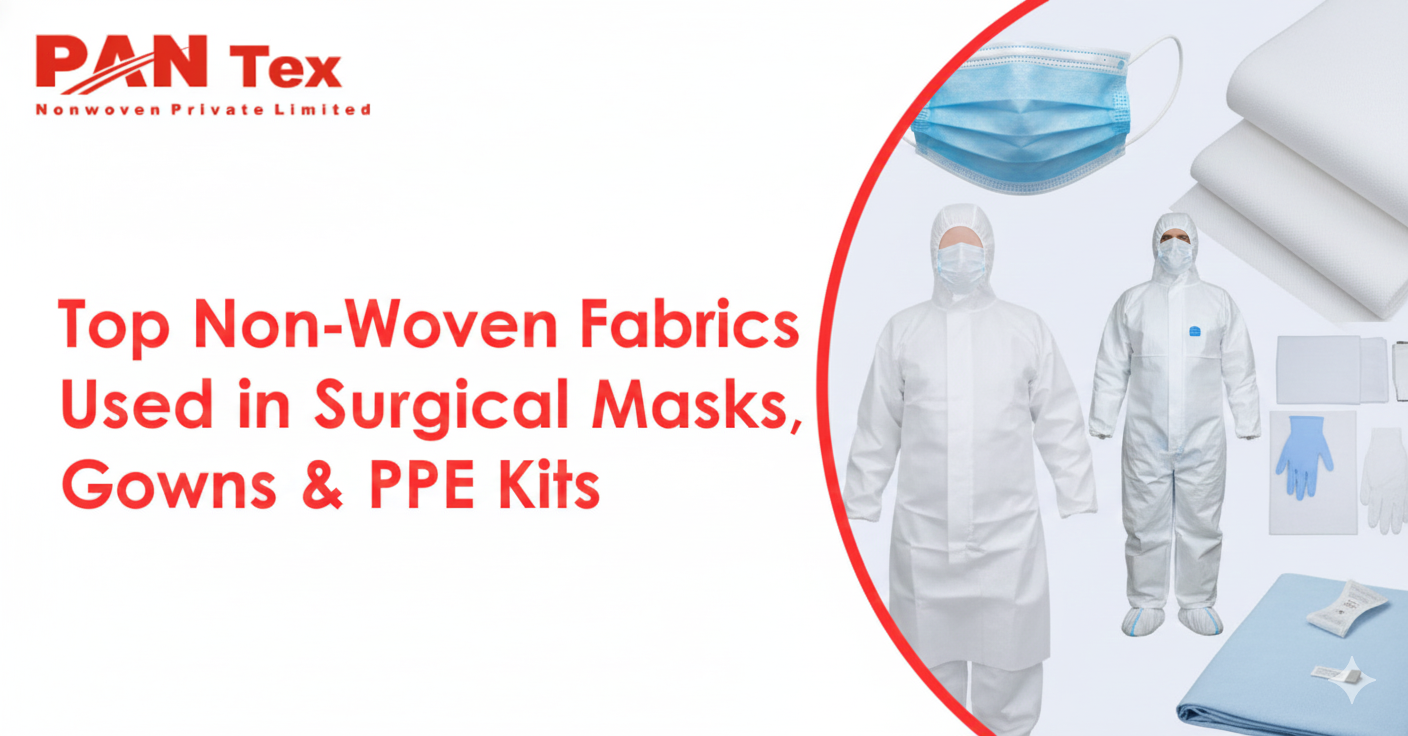
The healthcare sector depends a lot on personal protective equipment to safeguard both patients and medical workers. A core part of this safety gear is non-woven fabric used in PPE. This material plays a key role in modern medical safety items, from the masks we use every day to the gowns shielding frontline healthcare providers.
Knowing why these fabrics work so well helps us value the technology that protects us. Let’s take a closer look at the kinds of non-woven materials used in medical gear and their importance.
Why Are Non-Woven Fabrics So Important?
Before diving into the different types, it’s useful to know what makes non-woven fabrics unique compared to normal textiles. Traditional fabrics like woven or knitted ones are made by threading fibers together. Non-woven fabrics, though, skip that step by connecting fibers straightaway with mechanical, thermal, or chemical methods. This special way of creating the fabric gives it features that work well in medical settings.
What does that mean? These fabrics can block tiny particles, keep out liquids, stay breathable, and hold up under pressure without losing their protective functions. Because of these reasons, manufacturers all over the world pick non-woven material to make PPE.
Spunbond Non-Woven Fabric: It’s the Tough Outer Layer
Spunbond is a popular choice for making protective equipment. Manufacturers produce this fabric by pushing melted polymer through small spinnerets and placing the fibers on a conveyor belt where they stick together.
You can see spunbond forming the outer and inner surfaces of surgical masks. It’s also the main fabric found in many medical gowns. The material works well because it stays strong and holds its shape while being used. It doesn’t tear either, which is important for healthcare workers rushing around in intense situations.
In India, PAN Tex specializes in making spunbond fabrics of great quality for medical purposes. Their fabrics are built to match international requirements for strength and protection, making them a trusted option for companies producing protective gear.
Meltblown Fabric: The Key to Filtration
This is where it gets fascinating. Meltblown fabric plays a crucial role in making surgical masks work. This fine fiber material forms the essential filtering layer that traps bacteria, viruses, and even minuscule particles.
Manufacturers use high-speed hot air to blow melted polymer, which creates very thin fibers that weave into a tight web. These fibers, sometimes a few microns wide, form a network that blocks particles but still lets air flow through.
The global health crisis made it clear how crucial it is to find a dependable meltblown supplier. The quality of a mask’s meltblown layer plays a key role in its filtration ability. Using low-quality meltblown fabric results in less protection. Medical facilities need to buy from trustworthy meltblown suppliers who stick to strict quality standards.
PAN Tex has put money into modern meltblown production tools. This helps them stand out as a reliable meltblown supplier, not just in India but elsewhere too. Their strong focus on quality ensures that all the fabric they produce meets medical filtration requirements.
SMS Fabric: A Three-Layer Shield
SMS means Spunbond-Meltblown-Spunbond, and it is what the name suggests—a three-layer material that brings together the strengths of both types of fabric. The spunbond layers on the outside are strong and resist liquids, while the meltblown layer in the middle works to filter particles.
This mix forms a high-quality non-woven fabric made for medical use, blending safety with comfort. People often use SMS to make surgical gowns, drapes, and top-tier face masks. Its layered design also controls moisture, which keeps healthcare workers feeling better during long hours at work.
The quality of SMS fabric relies on the layers it is made of. Manufacturers like PAN Tex prioritize improving each layer before they assemble the final product. This thoughtful production method maintains consistency within all layers, leading to dependable medical-grade non-woven fabrics.
SMMS Fabric: Offering Extra Protection
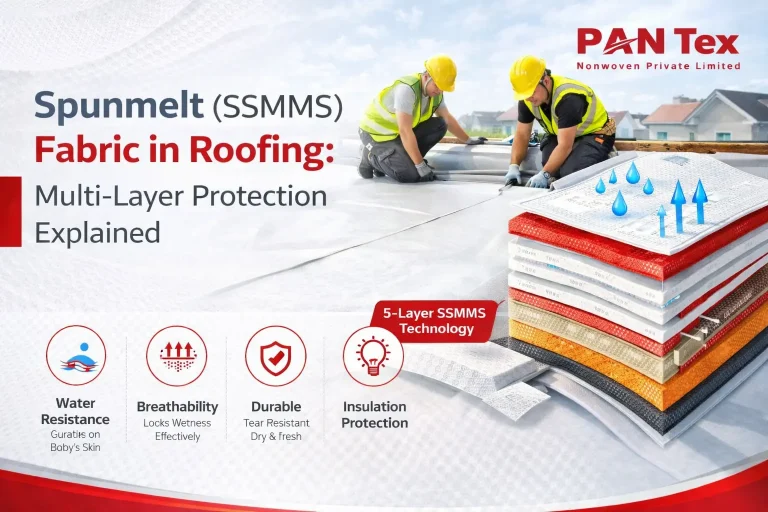
SMMS fabric builds on the SMS design by adding another meltblown layer to it. This four-layer build, which stands for Spunbond-Meltblown-Meltblown-Spunbond, improves both filtration and protective barriers when compared to regular SMS fabric.
Hospitals and clinics rely on SMMS when they need materials with higher levels of protection. The two layers of meltblown fabric add an extra layer of filtration. This added filtering is essential when handling contagious substances. Because of this, SMMS is a top pick for creating medical-grade non-woven products like isolation gowns and protective suits.
Important Features to Assess in Medical Non-Wovens
To choose the right non-woven fabric for PPE, specific features are important:
Bacterial Filtration Efficiency (BFE) shows how effective the fabric is at stopping bacteria. Most medical masks demand a BFE of at least 95 percent. The meltblown layer plays a big role in achieving this, making it crucial to get supplies from a trusted meltblown manufacturer.
Particle Filtration Efficiency (PFE) shows how well a material blocks tiny particles, including viruses. N95 masks and surgical masks made of medical-grade non-woven fabrics need to meet strict PFE requirements to provide enough protection.
Fluid Resistance checks if liquids can get through the material. This is important in surgical gowns and masks since spills and sprays are common during medical procedures. The outer layer, made from spunbond fabric, provides this shield.
Breathability allows air to flow while stopping particles. PPE with good breathability feels more comfortable for long use, helping healthcare workers wear it for longer periods.
Strength and Durability help keep the fabric from ripping or wearing out while being used. Non-woven fabric in PPE must keep its protective features intact during its usage time.
The Role of Manufacturing Quality
Non-woven fabrics aren’t all made the same. How good medical-grade non-woven materials are depends a lot on the way they’re made, the raw materials chosen, and the steps taken to check quality.
PAN Tex follows tough quality standards every step of the way. They choose polymer resins and test the finished product to make sure it meets medical needs. This focus on quality sets dependable manufacturers apart from those who try to save money by cutting corners.
Their facilities check properties like filtration ability, strength, and barrier performance using automated testing tools. This thorough method ensures that every batch of fabric meets standards when used to create PPE.
Choosing the Best Materials for PPE
To make better decisions for manufacturing or sourcing PPE, you need to understand these fabric options. The best choice of material depends on what it will be used for, the level of protection needed, and how comfortable it must be.
Most surgical masks feature SMS, or SMMS designs with top-quality meltblown sourced from trusted suppliers. Medical gowns often rely on spunbond or SMS fabrics, depending on the level of protection needed. For environments with high risks, isolation gowns require SMMS or even more advanced multi-layer designs.
Partnering with an established company like PAN Tex gives you the chance to use their technical support to match fabric specs with your product needs. Their background in making non-woven fabric for PPE in various uses allows them to understand the small details that affect how the final product performs.
Future Outlook
The need for high-quality medical protective gear keeps climbing. Global health issues have shown us that having dependable sources of medical-grade non-woven materials goes beyond keeping businesses running. It’s about the safety and health of people everywhere.
Companies like PAN Tex, which focus on producing high-quality materials, play an important part in keeping the supply chain moving for vital protective gear. Their dedication to meeting global standards ensures healthcare workers and patients can rely on the PPE products they use.
Knowing the different kinds of non-woven fabrics and their qualities helps everyone in the supply chain make smarter choices. Whether you are a manufacturer picking materials, a procurement officer checking suppliers, or just curious about what keeps us protected, understanding what makes up good PPE equips you to ask for higher standards.
When you wear a surgical mask or spot a healthcare worker in protective gear, you’ll now realize the intricate material science working to shield us. Things like the strength of spunbond and the filtering ability of meltblown work together to ensure safety for everyone.