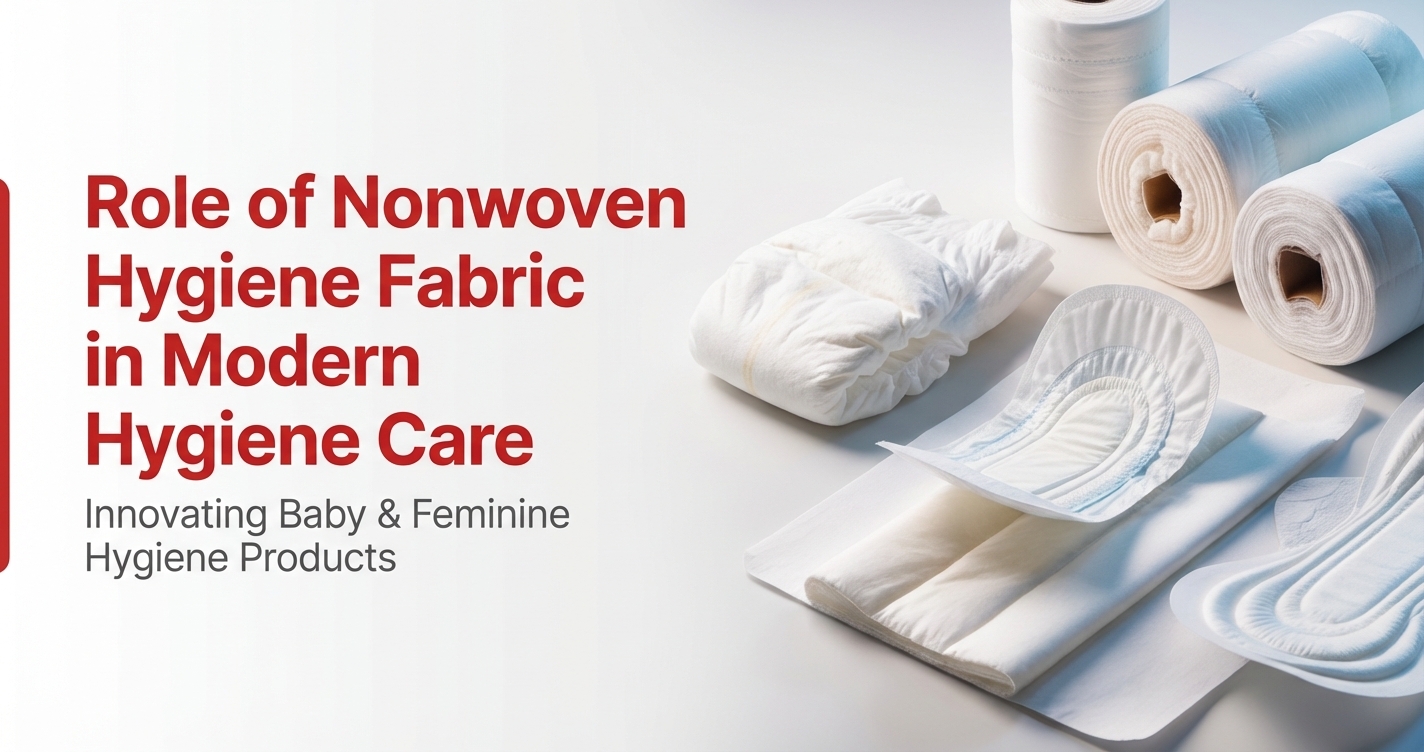
PAN Tex Non Woven leads the way in India’s nonwoven fabric industry, offering top-quality hygiene materials used in countless personal care products every day. These innovative materials have changed how people think about hygiene by providing better comfort, protection, and dependability in items like baby diapers and adult incontinence products.
What You’ll Discover
- Ways nonwoven hygiene fabrics have changed the game in modern care products
- Common uses in areas like baby care, feminine hygiene, and solutions for adult incontinence
- Benefits that make nonwoven materials stand out over older fabric types
- How picking the right fabric supplier affects product quality and overall success
- Market trends and what lies ahead in the hygiene care industry
- Important factors to consider when choosing a dependable hygiene fabric supplier
What Are Nonwoven Hygiene Fabrics?
Nonwoven fabrics are special textile materials made by bonding fibers, instead of weaving or knitting them. They work well in hygiene products, offering benefits that regular fabrics can’t match.
The method used to make these fabrics defines their properties. Spunbond technology forms tough, long-lasting materials by melting polymer, pushing it through small spinnerets, spreading fibers, and bonding them. Meltblown technology makes superfine fibers perfect for layers used in filtering or absorbing. SMS composites blend these methods to build layered structures that enhance performance.
Newer nonwoven hygiene fabrics offer impressive features like quick liquid absorption, good breathability, lightweight strength, and adjustable softness. These features make them essential in hygiene products where safety and comfort matter the most.
Reasons Nonwoven Fabrics Lead in Hygiene Care
Nonwoven materials are now the go-to choice in the hygiene industry because they tackle issues that older materials often cannot handle well.
Their affordability is a key reason for their popularity. Manufacturers produce these materials at high speed with consistent quality, making disposable hygiene items cheap enough for everyone to use. This efficient production process ensures that many people can afford them.
Superior Performance makes nonwovens stand out against woven fabrics. Their designed fiber structures help manage liquids, allow airflow, and feel soft to the touch. Companies use this flexibility to create products that work better in specific hygiene-related uses.
Meeting hygiene and safety standards is easier with nonwoven materials. Managing production in clean environments reduces the chances of contamination. Adding antimicrobial agents and using hypoallergenic fibers creates products that are gentle on skin. Top hygiene fabric suppliers stick to strict quality rules that follow global safety guidelines.
Room for innovation drives the progress of this technology. Traditional fabrics have fixed structures, but nonwoven materials keep getting better. New types of fiber bonding techniques and finishing processes open up opportunities to make improved materials.
Baby Care: The Cornerstone of Nonwoven Hygiene
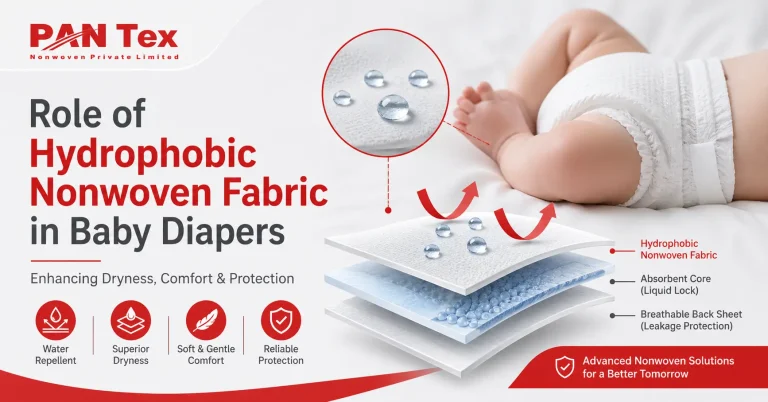
Baby diapers stand as the main use of nonwoven hygiene materials. Each diaper includes various fabric layers that work together to do their job.
The top sheet, which touches a baby’s skin, needs to be soft and able to pull moisture away. Modern top sheets often use spunbond nonwovens with tiny holes or patterns pressed into them. These designs guide liquid flow while keeping the surface dry. If the top sheet is designed, it can lead to irritation and diaper rash, but good materials make babies comfortable and dry for longer periods.
Under the top sheet are acquisition and distribution layers, which are made from designed nonwoven fabrics. These layers quickly take in liquid and spread it through the absorbent core. This avoids pooling in one spot, which can cause leaks. The engineering behind these layers balances how fast they absorb with how well they spread the moisture.
Back sheets offer waterproof protection but still let air flow. Nonwoven hygiene materials create layers that keep out all liquids while letting air pass through. This design lowers the risk of skin issues caused by trapped heat and moisture. Regular waterproof materials cannot achieve this balance.
Elastic parts like leg cuffs and waistbands use special stretchable nonwovens to ensure a snug fit without causing irritation or marks. These materials need to stay stretchy with use while feeling soft on delicate skin.
A good example: When a baby wears a well-made diaper with high-quality nonwoven materials, they stay dry and cozy for 8 to 12 hours. Parents feel reassured that there will be no leaks even during long trips or overnight.
Unfavorable outcome: Poor-quality nonwoven materials cause slower liquid absorption, uneven spread, and reduced airflow. This often leads to diaper rash, leaks, and discomfort for the baby, making parents need to change diapers more often.
Baby wipes offer another essential use where nonwoven materials perform well. These wipes need to be durable enough to handle tough cleaning when wet but gentle enough to be used on the face. The structure of nonwovens holds cleansing liquids while dispensing them during use. PAN Tex Non Woven provides top-notch wipe materials that combine durability, softness, and efficient liquid control to work.
Feminine Hygiene: Combining Comfort and Confidence
Women’s hygiene products must provide dependable protection, keeping users comfortable and confident throughout their daily routines.
Sanitary napkins use advanced layers of nonwoven materials. The top layer feels soft and dries to avoid causing irritation over long usage. Tiny holes in the design help liquids move faster to the absorbent center by creating straight paths. The outer covering has textured nonwoven materials that lower noise and make the product more private to use.
Ultra-thin products show how far nonwoven hygiene materials have come. To absorb a lot with less thickness, engineers design fiber structures that make the surface area larger without adding extra bulk. Without nonwoven materials, making these kinds of thin, super-absorbent products would not be possible.
Wings and sticky parts use special nonwoven materials that keep things in place without causing discomfort to the inner thighs. These materials need to bend to fit underwear shapes but still stick during use.
Good example: A woman wearing a feminine hygiene product with good nonwoven fabric feels protected and comfy. She goes about her day with confidence, noticing it’s there.
Bad example: Low-quality nonwoven fabrics can result in slow absorption of wet surfaces, skin irritation, and worries about leaks. This disrupts her daily life and reduces her confidence.
The shift from thick, fabric-backed items to today’s slim and comfy designs shows how nonwoven hygiene materials have changed things. Companies that supply high-quality hygiene fabrics help manufacturers create products that meet modern women’s demands for supporting busy, active lifestyles.
Adult Incontinence: Innovation Bringing Dignity
An aging world population increases the need to design adult incontinence products that protect while keeping life’s quality and self-respect intact.
Adult diapers and protective underwear need to handle specific challenges like higher amounts of fluid, longer usage times, and controlling odors. These items rely on tough nonwoven hygiene fabrics made to handle more while staying durable and invisible under clothing.
Breathability matters more in adult products because people wear them longer. Without proper air circulation, skin can become irritated, infections can occur, and wearing them might feel uncomfortable. New nonwoven materials from companies like PAN Tex Non Woven allow moisture to escape while stopping liquids from getting through. This creates a safer, more comfortable environment for sensitive skin.
Odor control technologies in nonwoven fabrics help people feel more at ease in public. Antimicrobial layers and odor-fighting substances built into the material offer lasting protection so users don’t need to change them as often.
Noise reduction is an important but often ignored part of designing hygiene products. The outer layers should stay silent during movement to prevent unwanted attention or embarrassment. Soft, fabric-like nonwoven materials get rid of the crinkling sounds that plastic-backed items make.
Good scenario: A senior wearing well-made incontinence products stays active, enjoys social events, travels, and handles daily tasks without stressing about leaks, smells, or visible padding.
Bad scenario: crafted nonwoven layers lead to leaks, trap heat, irritate skin, and create thick, noisy products that limit movement and hurt confidence.
The demand for adult incontinence items grows as populations get older and people feel less embarrassed talking about such needs. By working with skilled hygiene material suppliers, brands can create solutions that boost users’ quality of life.
Personal Care Wipes: Endless Uses
Wet wipes are no longer just for babies. They now serve many purposes, each needing custom materials to suit specific tasks.
Baby wipes lead the market, needing materials that clean well but are still soft enough for use on the face. The nonwoven fabric has to stay strong when wet so it can handle tough cleaning without ripping or shedding. The textured designs pressed into the surfaces help boost cleaning ability.
Feminine hygiene wipes need extra gentleness because they are used for sensitive areas. The materials are pH-balanced to avoid causing irritation while also getting rid of bacteria and bad smells. Flushable options are made with biodegradable nonwoven materials that stay durable during use but break down in water.
Facial cleansing and makeup-removing wipes highlight the flexibility of nonwoven materials. These wipes need to feel soft and smooth on the skin while removing makeup, oils, and dirt. The fiber structure should release the cleaning agents while trapping dirt and oils inside the material.
Good scenario: A good example could be a mom using baby wipes for diaper changes, quick hand cleaning, or wiping her child’s face, trusting they are durable, work well, and are gentle on delicate skin.
Bad scenario: A bad example would be wipes that rip apart while used, leave bits of lint behind, fail to clean, or irritate the skin because of rough fibers or harmful chemicals.
Biodegradable and sustainable wipes represent an important growth area. Plant-based fibers, including bamboo, cotton, and wood pulp, replace petroleum-derived materials without sacrificing performance. PAN Tex Non Woven invests in developing eco-friendly options that meet both performance requirements and environmental responsibilities.
Understanding What Makes Nonwovens Unique in Performance
Knowing the key benefits of nonwoven materials helps people choose better hygiene products.
How fast liquid is soaked up shows how well products move moisture away from the skin. Designers can create nonwoven fabrics with certain pore patterns and sizes to boost capillary movement. This quicker absorption makes products less likely to cause discomfort or leaks.
How liquid is absorbed and spread out keeps the core full. Nonwoven layers distribute moisture fast, stopping overloading in just one spot that could lead to leaks. This design avoids the “rope effect,” where liquid forms narrow streams instead of spreading.
Nonwoven hygiene materials stand out because they combine breathability with a barrier to liquids. Their fiber structure lets air move but stops larger liquid molecules. This special balance helps keep the skin in good condition during long use by letting moisture vapor escape while stopping leaks.
Bonding methods give nonwovens their strength and durability, forming sturdy structures. Even though these materials are lightweight, they resist tearing and wear during use. This toughness makes it possible to create thinner products without losing their dependability.
Softness and comfort depend on the choice of fibers, bonding methods, and finishing techniques. The same nonwoven processes can make everything from rough cleaning cloths to super-soft materials for babies. Top hygiene fabric suppliers manage these features.
Manufacturing consistency makes sure every product sticks to the required standards. Automated systems remove the natural variation found in fiber textiles, giving dependable performance that both brands and consumers trust.
Why PAN Tex Non-Woven Stands Out in the Industry
PAN Tex Non Woven is recognized as India’s top nonwoven producer because of its years of focused knowledge and constant advancements in hygiene care materials.
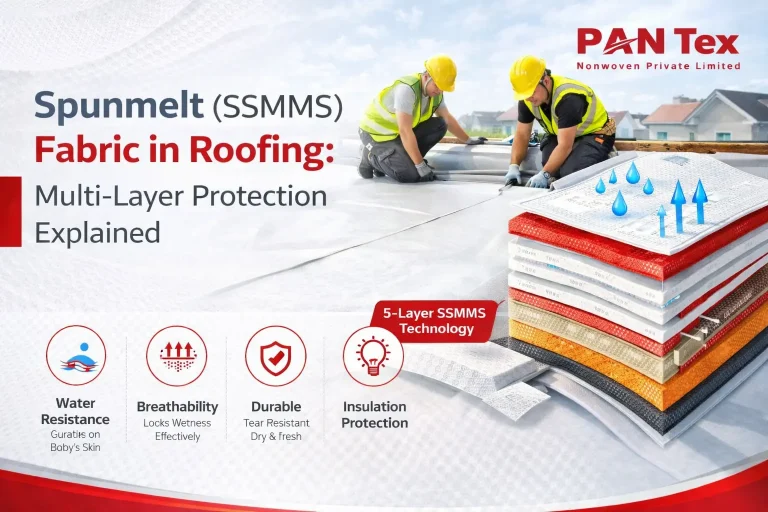
The company runs advanced manufacturing units that produce spunbond, meltblown, SMS, and SSMMS composite nonwovens in various weights and specifications. This wide range of abilities helps clients meet all their nonwoven hygiene material needs with one trusted provider.
Quality assurance shapes how PAN Tex Non-Woven operates. They test their materials at each stage of production to make sure they meet precise standards. Global certifications prove their products align with international hygiene care requirements, giving customers trust in their quality and reliability.
Expertise in customization makes PAN Tex Non-Woven stand out as a supplier of hygiene fabrics. Their technical team collaborates with clients to create materials designed to meet specific needs. Whether it means tweaking softness, changing how liquids are handled, or adding unique features, the company ensures they deliver customized solutions for every client.
Investment in research and development keeps improvement ongoing. PAN Tex Non-Woven discovers new fibers, bonding methods, and useful additives to boost the effectiveness of hygiene products. With this dedication to innovation, they make sure their clients always get cutting-edge material options.
Commitment to sustainability tackles increasing environmental issues. The company creates options using biodegradable materials, focuses on energy-saving production methods, and follows circular economy ideas. This approach matches what consumers look for in eco-friendly hygiene products.
Reliability in supply helps clients stick to production plans without interruptions. Sufficient capacity, smart inventory strategies, and smooth logistics make PAN Tex Non Woven a trusted choice for large-scale hygiene product manufacturing.
At the heart of PAN Tex Non-Woven’s success are its core values: Innovation, Ethics, Integrity, Respect, Responsibility, Inclusive Ecosystem, and Trustworthy Relations. These principles guide every decision and interaction, ensuring the company not only delivers exceptional products but also builds lasting partnerships based on mutual trust and shared goals.
Shifting Market Trends: Growth and Innovation
The worldwide nonwoven hygiene market is growing due to several interlinked factors that keep demand high.
More people are becoming aware of hygiene in developing countries, which boosts the use of disposable personal care products. As cities grow and people’s incomes rise, many choose modern hygiene practices that need materials like nonwovens.
Population trends are helping the market grow in different areas. Higher birth rates in developing nations mean more demand for baby care products. At the same time, the older populations in developed regions need more adult incontinence products. The growing global middle class is also opening up big opportunities for high-quality hygiene items.
Since the pandemic, people care much more about hygiene. They focus on staying clean and protected, which increases how much they use wipes, personal care goods, and protective products. This behavior change has made the market grow for the long term.
Technological advancements keep making products better and unlock new uses every day. Smart fabrics with features like odor detectors, pH level sensors, and antimicrobial attributes show fresh opportunities on the horizon. Nano-fiber technology allows the creation of super-thin materials that absorb well.
The need to protect the environment pushes the focus toward better material choices. Using plant-based fibers, biodegradable plastics, and recycled materials helps tackle eco-issues while keeping product quality intact. Many brands now prefer working with hygiene fabric makers offering greener solutions.
India is becoming stronger in the world market as it improves its manufacturing. Affordable costs, skilled workers, and initiatives like “Make in India” from the government help India compete. Companies such as PAN Tex Non Woven now cater to challenging international markets and satisfy a booming local demand.
Picking the Best Hygiene Fabric Supplier: What to Keep in Mind
Your choice of nonwoven material supplier plays a big role in how good your product turns out, how people see your brand, and how well your business does overall. You need to think about several important things.
Start by making consistent quality your top priority. Materials need to work the same way every time, no matter the production batch, to keep your products reliable. Ask to test samples from different production batches to make sure the quality stays the same. Certifications like ISO standards can help prove the materials meet quality requirements.
What sets great hygiene fabric suppliers apart is their technical support capabilities. Good suppliers understand your product’s specific needs and can suggest the best material options. They can also provide engineering help to speed up product design and improve results.
The ability to allow customization helps businesses stand out in crowded markets. Can the supplier tweak the basis weight, change the fiber mix, or add specialized treatments? Stiff product options block innovation, but flexible suppliers help create distinctive products.
Scalability and production capacity should support your business as it grows. Suppliers need to show they can ramp up production as demand rises without cutting corners on quality or delaying shipments. Check their facilities to see what they can handle.
Reliable supply chains stop expensive disruptions in manufacturing. Look at how well suppliers deliver orders on time, how they manage inventory, and if they have backup plans. Having multiple production lines and stored materials shows strong supply systems.
Investing in innovation shows what a supplier might achieve in the future. Does the supplier study materials, look into advanced technologies, and share fresh ideas? Working with forward-focused hygiene fabric suppliers helps businesses stay ahead in a competitive market.
Sustainability efforts play a bigger role in what buyers care about today. Check for eco-friendly certifications, options to use renewable materials, and efforts to cut down waste. Partnering with ethical suppliers can safeguard a brand’s image and attract aware customers.
A positive outcome looks like this: A manufacturer teams up with a skilled hygiene fabric supplier like PAN Tex Non Woven. They get reliable materials, quick technical assistance, and partners who co-develop innovative products that lead the hygiene care market.
A negative outcome is what happens when a company picks a supplier just for low costs. They might face unreliable material quality, poor technical help, and disrupted supplies, which harm both the product’s reputation and relationships with customers.
The Future of Nonwoven Hygiene: New Ideas on the Horizon
The nonwoven hygiene sector reaches a crucial turning point now as technology, eco-friendliness, and what consumers want come together to spark big changes.
Smart materials with special features will improve how products work. Things like odor control, balancing pH, and fighting germs will become common instead of high-end extras. Some materials might even show when it is time to change products by changing color.
High-performance materials will set new standards for being super thin and soaking up more. Nano-fiber tech allows for designs with a huge surface area but any thickness. These advancements can make products that protect better and stay invisible under clothes.
Sustainable solutions are moving from being specialty items to becoming available everyday products. Using plant-based fibers, biodegradable composites, and recyclable materials helps lower harm to the environment. This shift gains speed due to growing consumer demands and stricter regulations.
Personalization could play a bigger role as manufacturing becomes more adaptable. Products offering custom absorbency, better fitting options, and unique material combinations might solve specific user needs more than standard designs.
Established hygiene fabric suppliers like PAN Tex Non Woven are in a strong position to benefit from these changes. They combine large-scale production with research advancements and close work with customers. The future points to hygiene care products being more user-friendly, eco-friendly, and efficient while also being easier to get.
Conclusion:
Nonwoven hygiene fabrics have caused a revolution in how people manage hygiene, making products that improve life for billions around the world. These specialized materials play vital roles every day, from shielding newborns to improving women’s health and helping older people keep their dignity.
Strong material quality and close supplier relationships are key to succeeding in hygiene care manufacturing. A good hygiene fabric supplier offers more than just materials. They bring knowledge, reliability, and creative solutions that ensure top-notch products.
PAN Tex Non Woven shows what makes a strong partner for long-term success. It delivers trusted quality, strong technical expertise, solid manufacturing skills, and a focus on always getting better. If you’re working on modern baby care items, unique feminine hygiene products, or better solutions for adult incontinence, teaming up with skilled nonwoven suppliers helps you make products that meet what customers need and expect.
The hygiene industry is changing fast. Sustainability, new ideas, and better access are shaping its future. The companies that put material quality first and establish good supplier connections will drive progress in this ever-evolving market.